
If you’ve ever asked your multilingual learners to “turn and talk” only to hear silence… you’re not alone.
Many English learners want to participate but speaking in a new language can feel overwhelming without the right supports.
The good news? Oral language grows best through predictable routines, meaningful interactions, and intentional scaffolds.
Here are five structured speaking strategies that consistently get English learners talking in my ELD classroom.
One of the easiest ways to increase participation is to provide students with visual support during conversations.
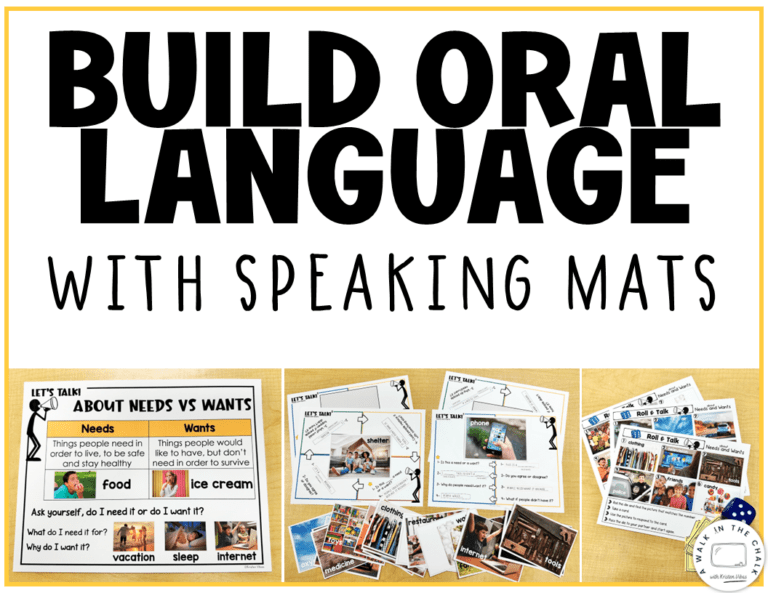
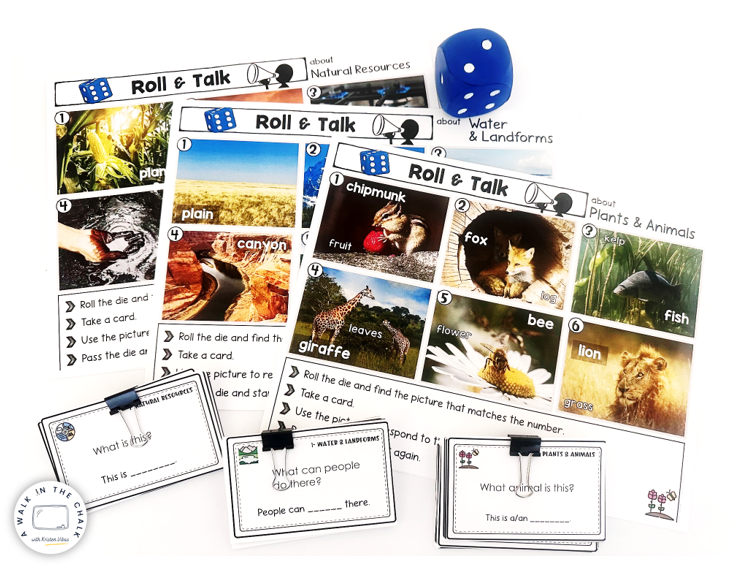
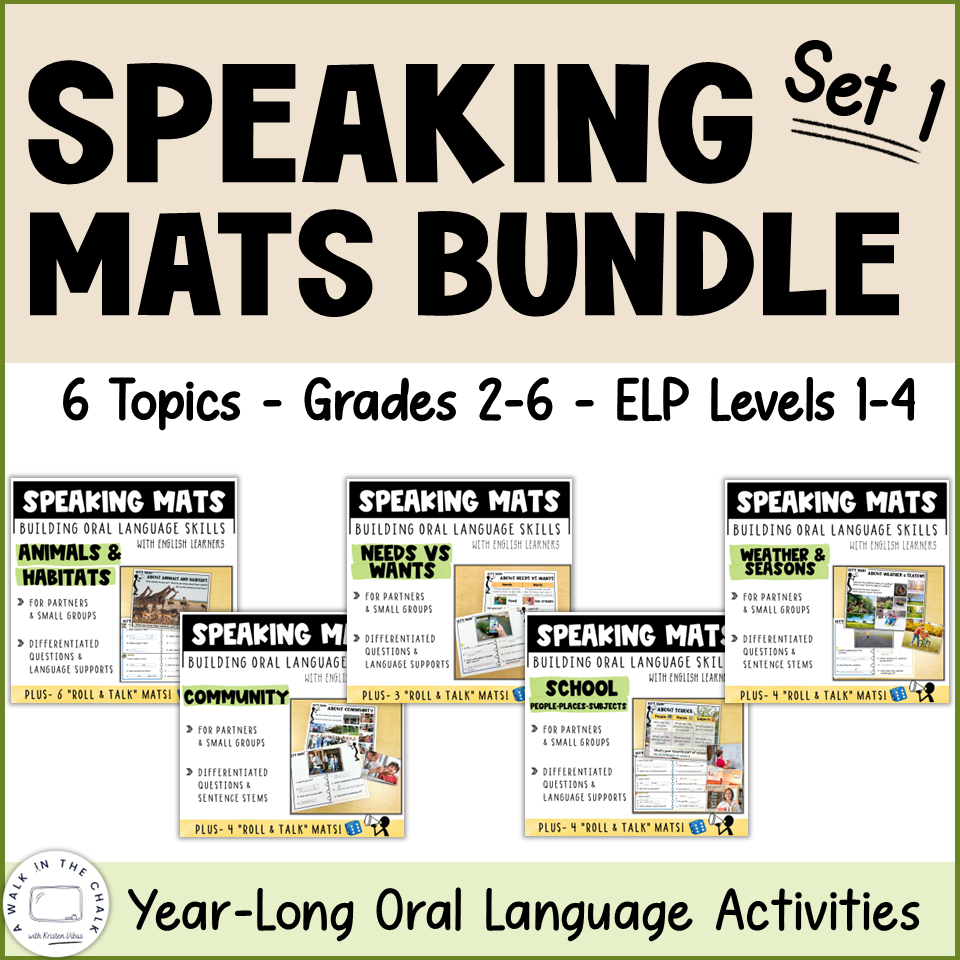
Speaking Mats combine:
These supports reduce the language load and help students focus on communicating ideas instead of searching for words.
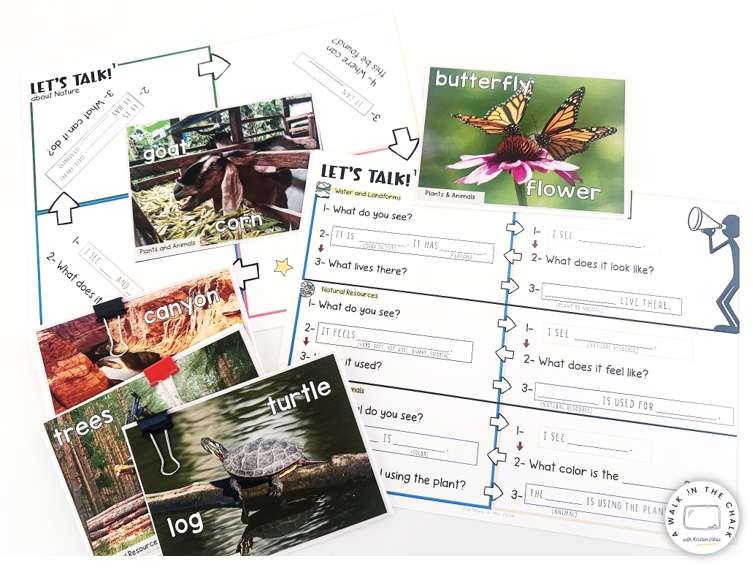
For example, during a unit on habitats, students might discuss:
Students can point to visuals, use sentence starters, and build complete responses with support.
This is especially helpful for students at WIDA levels 1–3 who need additional language scaffolds to participate successfully.
Learn more about using speaking mats here.
Sentence frames are one of the most effective scaffolds for multilingual learners—but only when they’re taught intentionally.
Instead of posting a frame and hoping students use it, model:
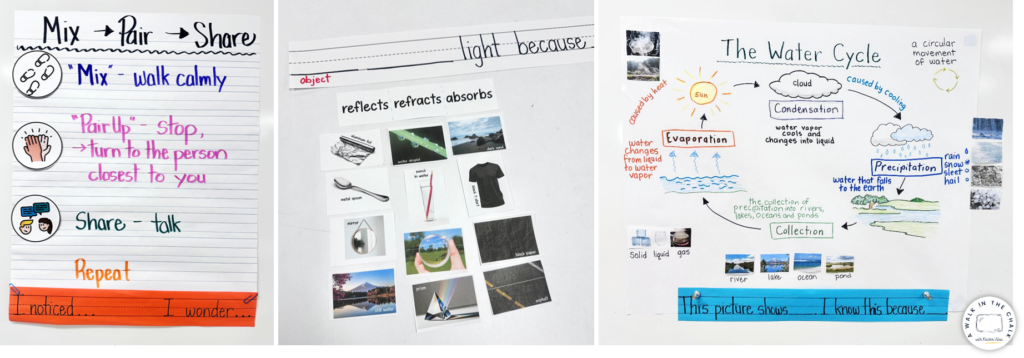
For example, instead of:
“I see a turtle.”
Students can build:
“I notice a sea turtle laying eggs on the beach.”
As students gain confidence, gradually remove portions of the frame to encourage more independent language production.
Differentiate frames by proficiency level.
Beginning students may need:
“I notice ___.”
Intermediate students may use:
“One similarity between ___ and ___ is ___.”
Structured routines reduce anxiety because students know what to expect.
Some of my favorite partner talk routines include:
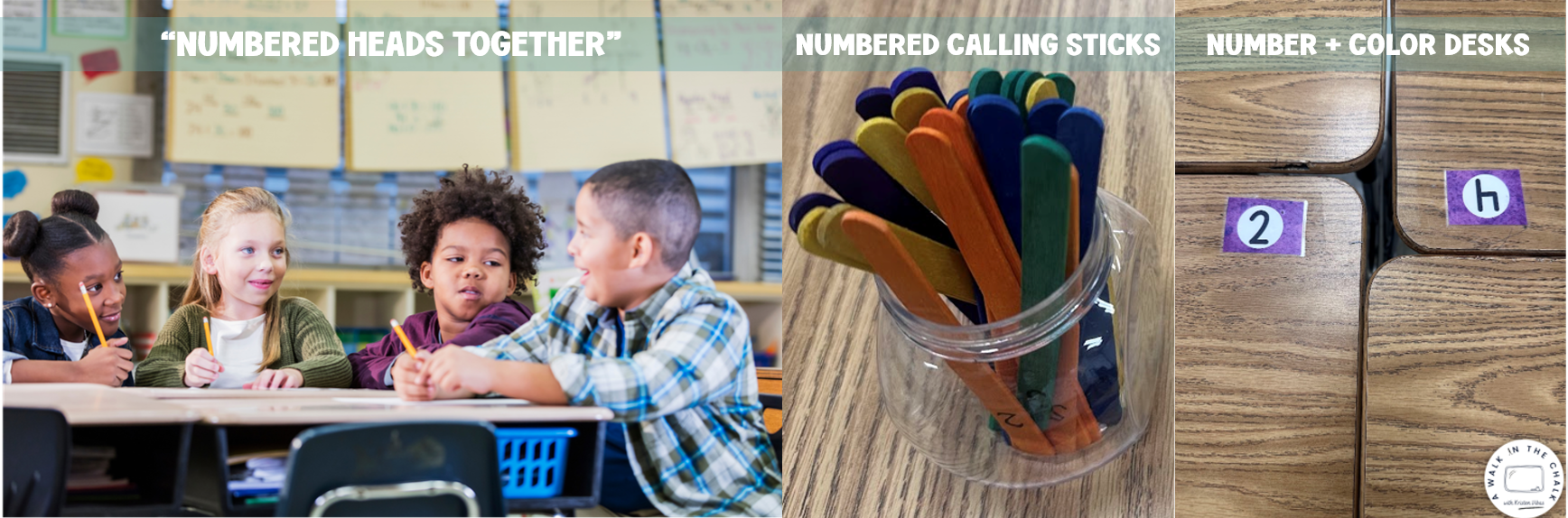
But one strategy I return to again and again is Numbered Heads Together, a cooperative learning strategy often used in GLAD classrooms.
Here’s how it works:
What makes this strategy so powerful for multilingual learners is that:
I also love that it naturally encourages students to support one another. Higher proficiency students model language while emerging multilingual learners gain confidence hearing and practicing responses with peers before sharing aloud.
For English learners, this rehearsal time is incredibly important in the general education classroom setting.
Instead of putting students “on the spot,” Numbered Heads Together gives them:
And because the routine becomes predictable, students become more willing to participate over time.
Consistency matters.
Students who are hesitant at the beginning of the year often become some of the most active participants once routines feel safe, structured, and familiar.
One mistake teachers often make is focusing only on content vocabulary without explicitly teaching the purpose for language.
English learners need opportunities to:
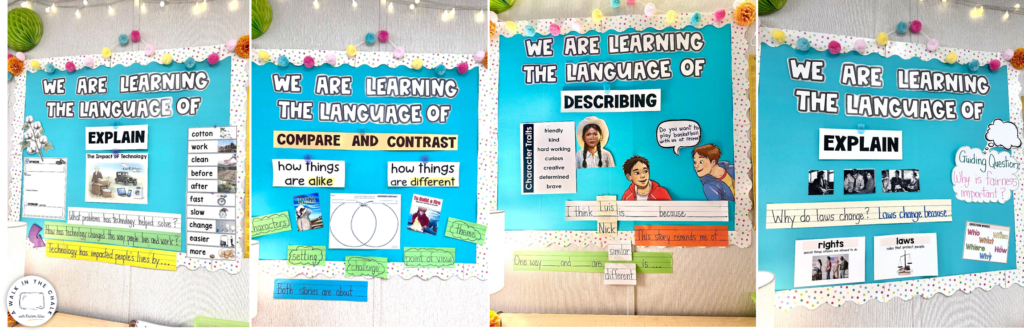
In my classroom, I often organize lessons around language functions because they give students a clear purpose for speaking.
For example:
This helps students practice academic language in meaningful contexts rather than isolated drills.
Content becomes the vehicle that drives language instruction.
Want to learn more about teaching language functions? Check out this post!
Students are much more likely to speak when they feel successful.
That means:
One simple strategy I use often with hesitant speakers is the “Say It with Me” strategy.
Instead of immediately asking a multilingual learner to produce language independently, we say the word or response together first as a class, small group, or partnership.
For example, after modeling a sentence such as:
“The colonists protested unfair taxes.”
Students repeat the sentence together chorally before trying it independently.
This shared practice lowers pressure and gives students an opportunity to:
For many English learners, especially newcomers and quieter students, speaking independently in front of peers can feel intimidating. Saying responses together creates a supportive bridge between listening and independent speaking.
Over time, students begin internalizing the language patterns and become more willing to participate on their own.
Sometimes students simply need to hear the language, repeat it, and practice it safely before they’re ready to produce it independently. “Say It with Me” gives students that opportunity and gets them talking right away.
Some of the best oral language practice happens during:
The goal is communication—not perfection.
Oral language development doesn’t happen by accident.
When teachers provide intentional supports, structured routines, and meaningful opportunities to talk, multilingual learners begin to see themselves as capable communicators.
And once students begin talking more confidently, growth in reading and writing follows.
Because for English learners, oracy truly comes before literacy.
Having engaging speaking routines and supports ready to go can make oral language practice feel much more manageable during a busy school week.
If you’re looking for low-prep speaking activities you can use immediately in your classroom, you may also like my Speaking Mats resources designed for multilingual learners in grades 1–5.
These visual speaking supports help students practice:
Topics include:
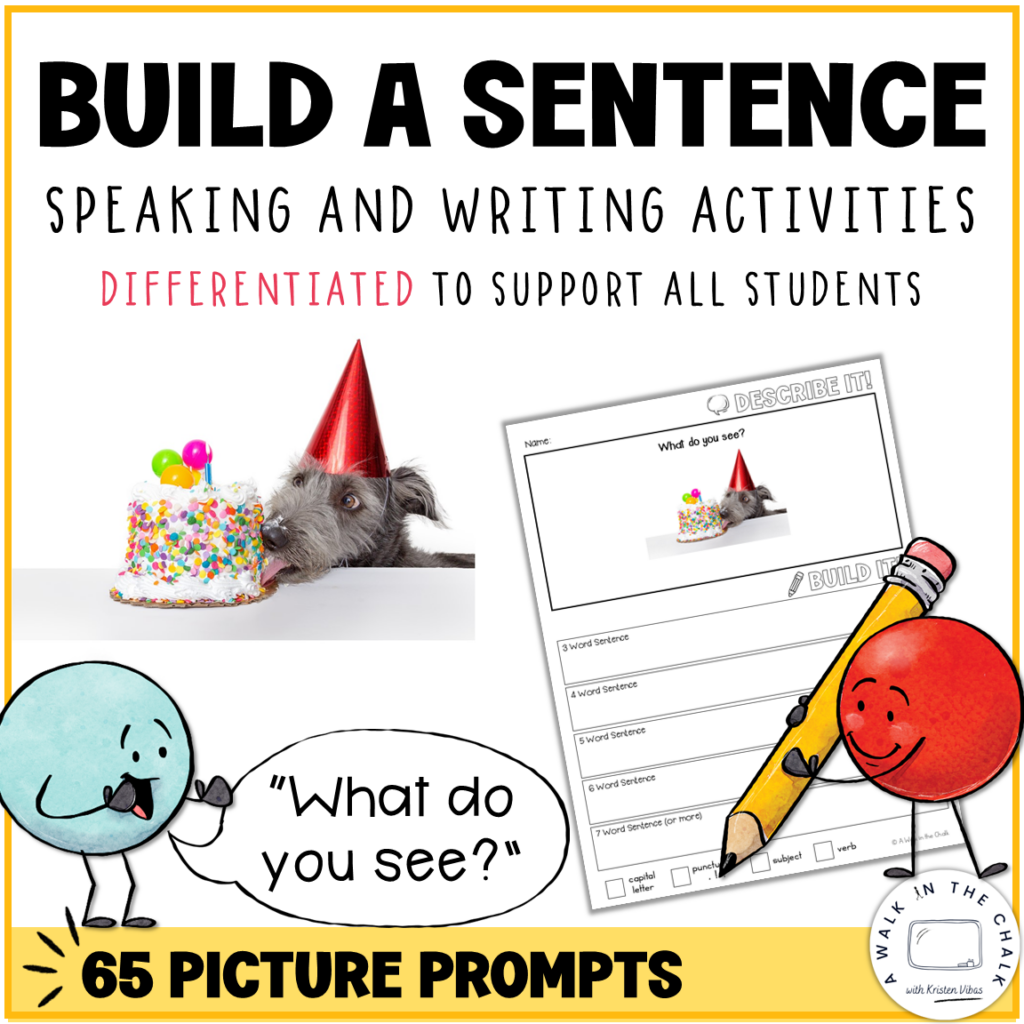
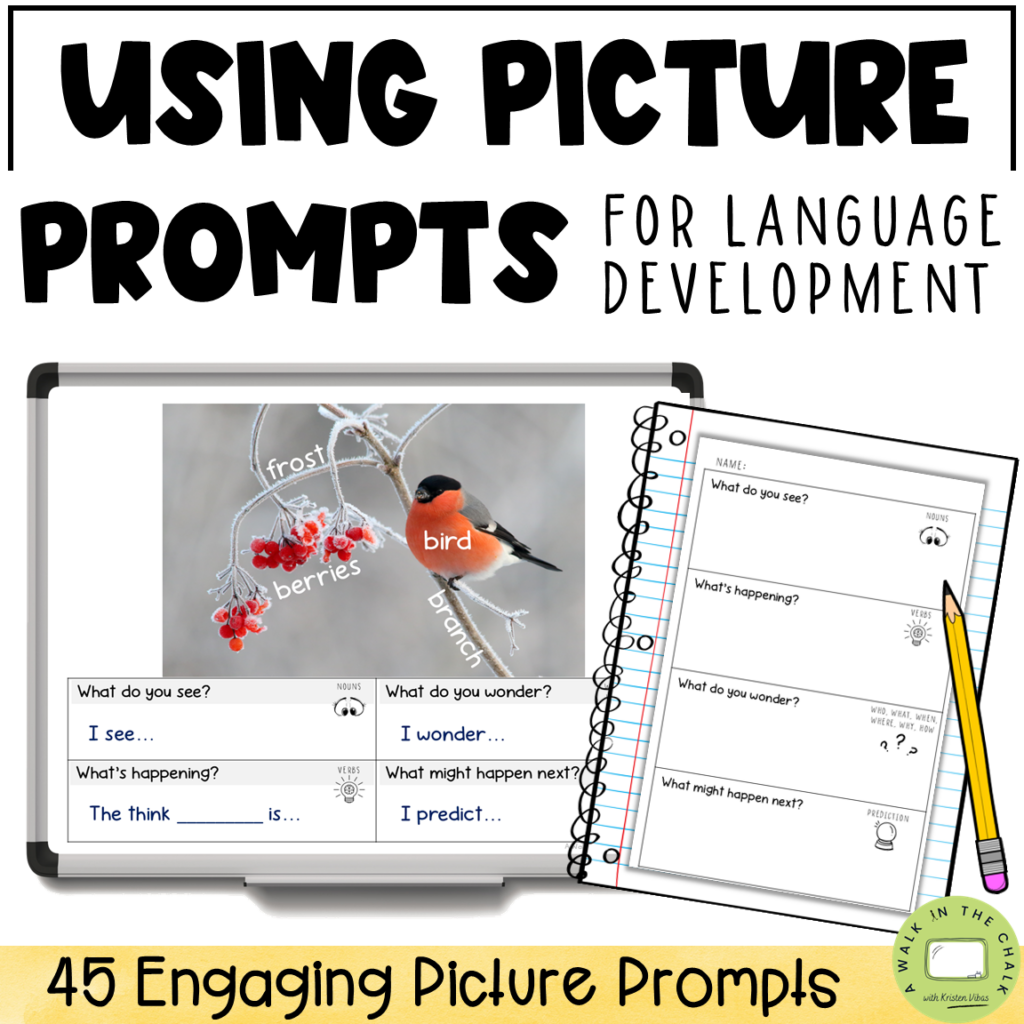
Build a Sentence and Using Picture Prompts are 2 more favorites for building oral language and writing.
Happy teaching,